
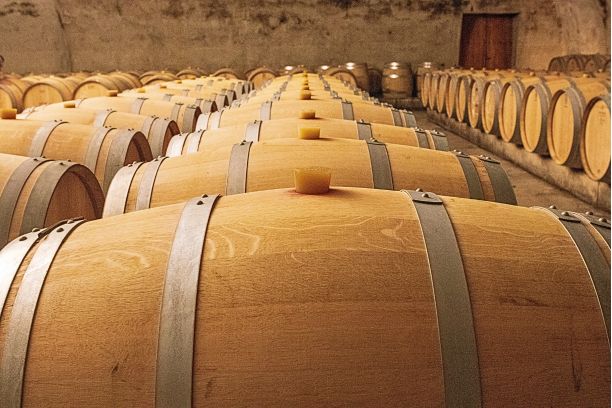
Knowing how to store wine properly at home can make the difference between a bottle that tastes vibrant and balanced, and one that feels flat or tired. Whether you are ageing a structured red from Bordeaux, keeping a crisp New Zealand Sauvignon Blanc fresh, or saving English sparkling wine for a special occasion, correct wine storage protects flavour, aroma and character.
At Mind Your Wines, we work with sustainable producers from France, Italy, Spain, Argentina, Australia, South Africa, New Zealand and England and every bottle deserves the right care once it reaches your home.
Here is your practical guide to wine storage in the UK.

1. Keep Wine at the Right Temperature
Temperature is the single most important factor in wine storage.
The ideal wine storage temperature is between 10°C and 13°C, with minimal fluctuation. Consistency matters more than perfection. Rapid changes in temperature can damage the structure of the wine and prematurely age it.
For example:
- A structured red like Vacqueyras Grande Garrigue, Domaine Grand Veneur (Rhône Valley) benefits from cool, stable conditions.
- A refined white such as Sauvignon Blanc, Zephyr Wines (Marlborough) should be stored cool to preserve freshness and acidity.
- Sparkling wines like Brut Reserve, Lyme Bay (England) are particularly sensitive to heat.


Avoid:
- Kitchen cupboards near ovens
- Radiators
- Conservatories
- Loft storage
If you do not have a wine fridge, a dark cupboard away from heat sources can work well.
2. Protect Wine from Light
Light, especially direct sunlight and strong artificial light, can damage wine. UV rays can prematurely age delicate whites and sparkling wines.
Store bottles in:
- A dark cupboard
- A closed cabinet
- A shaded area
This is particularly important for:
- Chablis, Domaine Bersan (Burgundy)
- Albariño O Fillo da Condesa (Rías Baixas)
- English sparkling wines


3. Store Bottles Horizontally
If the wine has a natural cork, it should be stored horizontally. This keeps the cork moist and prevents air from entering the bottle.
Wines such as:
- Barolo Pietrin, Franco Conterno
- Cepa Gavilán Crianza, Viña Pedrosa
- Quinde Reserve Malbec, Bodega Vinecol
all benefit from horizontal storage if ageing.


Screw-cap bottles (for example many New World wines) are less sensitive, but horizontal storage still saves space and keeps organisation simple.
4. Avoid Vibrations
Wine prefers stillness. Constant vibration (for example from appliances) can disturb sediment and interfere with slow ageing.
Keep bottles away from:
- Washing machines
- Fridges
- Speakers
- Heavy foot traffic areas
This matters especially for wines designed to age, such as:
- Montagne Saint-Émilion, Despagne Rapin
- Amarone della Valpolicella, Marion


5. Manage Humidity
Ideal humidity levels are around 60–70%. Too dry, and corks may shrink. Too damp, and labels may deteriorate.
In most UK homes, normal indoor humidity is acceptable if bottles are stored away from heat sources.
6. How Long Can You Store Different Wines?
Not all wines are meant for long-term ageing.
Drink within 1–3 years:
- Fresh whites like Gavi di Gavi, Luigi Tacchino
- Rosé such as Côtes de Provence Rosé, Domaine Pinchinat
- Sauvignon Blancs and Albariño
Drink within 3–8 years:
- Rioja Crianza
- Côtes-du-Rhône
- Beaujolais Villages
Age longer (8+ years):
- Barolo
- Amarone
- Premium Bordeaux
- Structured Rhône wines
When in doubt, check the producer style and vintage.
7. What If You Don’t Have a Wine Cellar?
Most UK wine lovers do not have a cellar and that is perfectly fine.
A simple solution:
- Choose a dark cupboard
- Keep bottles flat
- Avoid heat
- Buy wines suited to medium-term enjoyment
If you regularly store 12+ bottles, a small wine fridge is a worthwhile investment for stable temperature control.
Final Thoughts
Learning how to store wine properly at home protects both quality and value. Sustainable, organic and low-intervention wines like many in the Mind Your Wines collection can be particularly sensitive to poor storage, so stable conditions are key.
With the right temperature, darkness and positioning, your wines from France, Spain, England, Argentina, Australia and beyond will taste exactly as the winemaker intended.
